

Personality psychology is the study of how people develop their unique patterns of thinking, feeling, and behaving. This field explores what makes you different from everyone else and why you respond to situations in your own particular way. When you meet someone who is naturally outgoing while another person prefers quiet time alone, personality psychology examines where those differences come from and how they shape daily life.
Researchers in this field look at both the traits you were born with and the experiences that have shaped you over time. They study questions like whether shy children grow into shy adults, how your personality affects your relationships and career choices, and whether people can truly change their core patterns. The work draws on insights from thinkers throughout history, from ancient philosophers to modern scientists who measure and track personality traits across populations.
Understanding personality psychology matters because these patterns influence everything from your health to your success at work and home. For adult learners in Canada, this knowledge offers practical tools for self-awareness and personal growth. The field provides free resources and accessible frameworks that help you recognize your strengths, work with your natural tendencies, and understand the people around you better. This article explains what personality psychologists study, the main theories that guide their work, and how these insights apply to everyday life.
What Personality Psychology Means
Personality psychology is the study of how people think, feel, and act in their own unique ways. It looks at the patterns that make each person who they are, the habits, preferences, and reactions that shape how you move through the world. These patterns come from both what you were born with and what life has taught you along the way.
When personality psychologists talk about personality, they mean the consistent ways you respond to situations and relate to others. Some people light up in a crowd while others recharge alone. Some people plan every detail while others go with the flow. These aren’t random choices, they’re part of your personality, shaped by innate traits and experiences over time.
- Personality
- The distinctive patterns of thinking, feeling, and behaving that make you who you are.
- Personality Psychology
- The field of study that explores how and why people differ from one another in consistent ways.
- Individual Differences
- The unique variations between people in traits, behaviors, and emotional responses.
- Traits
- Stable characteristics that influence how you typically think, feel, and act across different situations.
Understanding personality helps explain why two people can face the same situation and react completely differently. One person might see a challenge as exciting while another finds it stressful. These differences aren’t better or worse, they’re simply part of what makes each person unique. Personality psychology gives us tools to recognize these patterns in ourselves and others, making it easier to understand the people around us and find ways to work together more effectively.
How Personality Psychology Works

Personality psychologists work like detectives who study what makes each person unique. They watch how people respond to different situations, ask questions about thoughts and feelings, and look for patterns that repeat over time. These researchers want to understand why someone might be outgoing while another person prefers quiet time alone, or why one person stays calm under pressure while another feels anxious.
The work starts with observation and careful measurement. Psychologists study patterns of thinking, feeling, and behaving across many different people and situations. They might use questionnaires, interviews, or watch how people act in everyday life. Some researchers even study how the brain learns and processes information to understand the physical side of personality.
What do personality psychologists look for? They focus on several key areas:
- Thinking patterns, like how someone solves problems or makes decisions
- Emotional responses, including what triggers feelings and how intense they are
- Behavior choices, such as whether someone takes risks or plays it safe
- How traits stay stable over time, especially during adulthood
This research helps people in practical ways. Therapists use personality insights to help clients understand themselves better and work through challenges. Career counselors apply personality knowledge to guide people toward jobs that fit their natural strengths. Teachers learn how different personality types respond to various teaching methods.
The goal is always to understand human uniqueness without judgment. Personality psychologists recognize that there’s no single “right” personality. Instead, they help us see how individual differences shape the way each person moves through the world.
Building Blocks of Personality

What You’re Born With
Some of your personality was with you from the very start. Before you had any experiences or learned any lessons, certain patterns were already part of who you are.
Think of it like building blocks you’re born with. Some babies are naturally calm and quiet, while others are active and loud from day one. Some children are naturally curious and bold, while others are careful and cautious. These tendencies come from your biology, passed down through your family.
Scientists call these inborn patterns your temperament. Your temperament includes things like how easily you get upset, how much you enjoy being around people, and how you respond to new situations. These natural inclinations don’t control everything about you, but they form a starting point for your personality to grow from.
What Life Teaches You
Your personality grows and changes through what happens to you. The people you meet, the places you live, and the experiences you go through all shape how you think, feel, and act.
Family relationships teach you early patterns. If you grow up with encouragement, you might feel more confident trying new things. If you face hardship, you might develop resilience and problem-solving skills.
School, work, and friendships continue shaping your personality throughout life. A supportive teacher might help you discover a love of learning. A challenging job might build your patience and determination.
Even difficult experiences can influence who you become. Overcoming obstacles often teaches valuable lessons about strength and adaptability. Your personality reflects both the good and hard moments you’ve lived through, making you uniquely you.
Core Traits That Stay With You
Once your personality forms in early adulthood, the central patterns tend to stick with you. Research shows that core traits remain relatively consistent throughout your adult years. If you’re naturally outgoing at 25, you’ll likely still be outgoing at 55. The same goes for traits like how organized you are, how you handle stress, or whether you prefer quiet evenings or lively gatherings.
This consistency doesn’t mean you’re locked in place forever. Life experiences can soften some edges or strengthen certain qualities. But your basic personality, the foundation of how you approach the world, stays recognizable over time. Understanding this helps you work with who you are rather than fighting against it.
Ideas About Personality Through Time
People have wondered about personality for thousands of years. Ancient Greek thinker Aristotle tried to explain why people act differently from one another. He believed personality came from a person’s character and habits.
In the late 1800s and early 1900s, new ideas emerged. Sigmund Freud suggested that hidden thoughts and childhood experiences shape who we become. He believed our personalities develop through stages as we grow up. His work opened doors to understanding the mind in new ways.
Other thinkers offered different views. Carl Jung talked about personality types and how people can be introverted or extroverted. Abraham Maslow focused on how people grow and reach their potential. He believed personality develops as we meet our needs and strive to become our best selves.
More recent approaches look at measurable traits. Researchers study patterns they can observe and test. They ask questions like: Is someone outgoing or shy? Organized or spontaneous? Calm or anxious? These traits help explain consistent differences between people.
Each theory adds something useful. Freud helped us see that past experiences matter. Maslow showed that growth is possible. Trait researchers gave us practical ways to describe personality. Together, these ideas help us understand the complex patterns that make each person unique.
How Personality Psychology Is Used Today
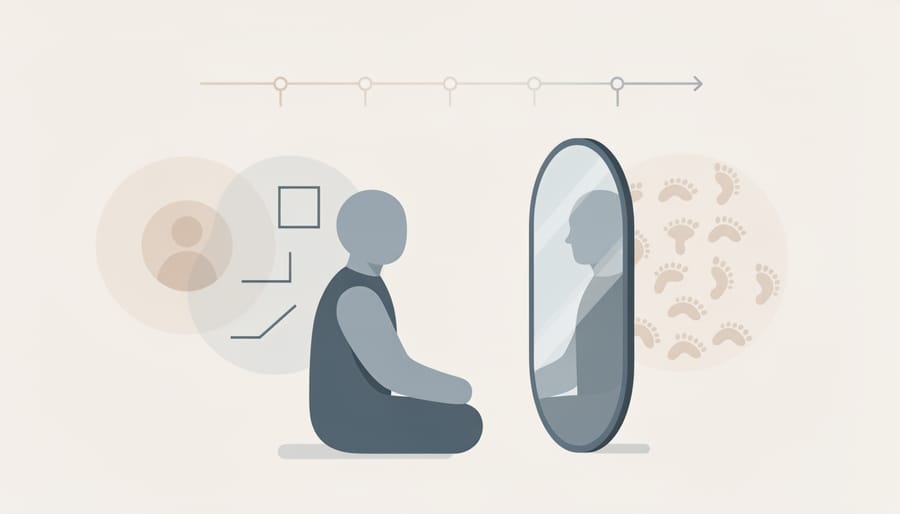
Personality psychology shows up in everyday life more than you might think. Understanding personality helps people make better choices, build stronger connections, and live healthier lives.
When you learn about personality patterns, you gain insight into why you react certain ways in different situations. This self-knowledge helps you recognize your strengths and understand areas where you might want to grow. Teachers and counselors use personality insights to get through to reserved adults who might need different communication approaches than more outgoing learners.
Personality psychology helps people in practical ways:
- Better self-understanding through recognizing your own patterns of thinking and feeling
- Stronger relationships by understanding how different personality styles interact
- Career planning that matches your natural strengths and preferences
- Health and wellness support based on how personality affects choices
Research confirms that stable traits shape health outcomes throughout life. People who understand their personality patterns can make choices that support their well-being. Someone who knows they handle stress through physical activity might prioritize regular exercise, while someone who processes emotions through conversation might focus on maintaining close friendships.
Workplaces use personality insights for team building and matching people to roles where they’ll thrive. Healthcare providers consider personality when helping patients stick to treatment plans. Even simple daily choices, like how you organize your schedule or communicate with family, become easier when you understand your own personality patterns.
The field continues growing across Canada, with researchers gathering at events like the SPA Convention that took place in Toronto in 2026. This ongoing work means more practical tools become available for everyday use.
Can Your Personality Change?
Your personality can change, and that’s good news for anyone looking to grow.
Research shows that core personality traits tend to stay consistent once you reach adulthood. The way you naturally respond to stress, connect with others, or approach new situations forms patterns that often remain stable over time. This stability helps explain why friends and family recognize you as “yourself” year after year.
But consistency doesn’t mean you’re stuck. Personality can evolve through new experiences and intentional effort. Major life events like starting a new career, building a relationship, or facing a challenge can shift how you think and act. Even everyday choices matter. Learning new skills, including digital literacy can build confidence and change how you see yourself.
The most encouraging part? Change happens gradually when you practice new ways of thinking and behaving. If you want to become more patient, organized, or outgoing, small consistent steps can create real shifts over time. Your personality isn’t fixed like a statue. It’s more like a path that bends as you walk it, shaped by where you choose to go and what you choose to do.
Learning More About Personality Psychology in Canada
Canada offers many ways to learn about personality psychology. Universities across the country teach courses on the subject, and researchers in Canadian cities contribute to the field’s growth. The 2026 SPA Convention took place in Toronto earlier this year, bringing together experts who study how personality shapes our lives. Adult learners don’t need to attend conferences to explore this topic. Free resources are available through literacy organizations and public libraries across Canada. Literacy Encyclopedia and similar organizations provide accessible materials that explain psychology concepts in plain language. These resources help Canadian learners understand personality psychology at their own pace, building knowledge that supports personal growth and stronger connections with others.
Learning about personality psychology opens doors to understanding yourself and the people around you. This field shows us that each person’s unique patterns of thinking, feeling, and behaving make them who they are, and that these differences matter in our daily lives, our relationships, and our health.
The knowledge you’ve gained here can support your personal growth. Understanding that personality comes from both what you’re born with and what you learn through life can help you recognize your own strengths and work on areas you want to develop. While your core traits tend to stay consistent, especially in adulthood, you can still grow and change throughout your lifetime.
What is personality psychology?
Personality psychology is the study of how people think, feel, and act in their own unique ways. It looks at the patterns that make each person different from everyone else.
How does personality psychology relate to the way a person thinks, feels, and acts?
Personality psychology examines how individual differences shape the way each person approaches life. It helps explain why people respond differently to the same situations based on their distinctive patterns.
Can personality change over a lifetime?
Yes, personality can change over a lifetime, though core traits tend to remain relatively consistent during adulthood. Life experiences and deliberate effort can lead to meaningful shifts in how you think, feel, and behave.
What are the theories of personality?
Many theories help us understand personality, from ancient ideas by Aristotle to modern concepts from thinkers like Sigmund Freud and Abraham Maslow. Each theory offers different ways to explain what makes people unique.
You don’t need to tackle this learning alone. Free educational resources are available across Canada through organizations like Literacy Encyclopedia, which provides accessible materials designed for adult learners. These resources can help you continue exploring personality psychology and other topics that matter to you, all at your own pace and comfort level.