

Choosing the right training materials for energy plant operators means matching adult learning principles with clear language, hands-on formats, and content that respects your team’s experience. The best materials use plain English, real workplace scenarios, and step-by-step guides that connect directly to daily tasks. They build on what operators already know rather than starting from scratch.
Adult learners bring years of practical knowledge to the table. They need materials that get straight to the point, skip unnecessary theory, and show exactly how new skills apply on the job. Traditional textbooks often miss the mark because they’re written for classroom students, not working professionals who solve problems every shift.
Many operators struggle with dense technical manuals filled with jargon and complicated diagrams. This challenge grows when materials ignore basic literacy essentials or assume everyone reads at the same level. The right training resources bridge that gap. They use visuals, bullet points, and everyday language to explain procedures clearly.
Canadian energy facilities have access to free, high-quality training tools designed specifically for adult learners. These resources cover everything from safety protocols to equipment maintenance, all written in accessible formats. You don’t need expensive corporate programs to deliver effective training.
This guide walks you through selecting materials that work. You’ll learn which formats suit different learning styles, how to evaluate readability, what mistakes waste time and money, and where to find trusted Canadian resources. Whether you’re training boiler operators, water treatment technicians, or refrigeration specialists, resources like PE Practice demonstrate the same core principles: clarity, relevance, and respect for adult learners’ time.
What Makes Good Training Materials for Plant Operators
Good training materials for plant operators respect how adults learn best. Adult learners bring work experience and practical knowledge to their training, so materials should connect new information to what they already know on the job. The best resources skip long theory sections and get straight to skills that operators can use during their shifts.
Clear language makes all the difference. Training materials written in plain English work better than documents filled with technical jargon or complicated explanations. Short sentences, everyday words, and step-by-step instructions help operators understand and remember important procedures. Materials should explain what to do and why it matters for safety and plant operations.
Visual aids support text and help operators who learn better by seeing. Photos of actual equipment, labeled diagrams of systems, and color-coded charts make concepts easier to grasp. Many adults find pictures and graphics more helpful than pages of written descriptions, especially when learning complex procedures or identifying equipment parts.
Practical examples and hands-on components turn information into skills. Good materials include checklists that operators can use during work, sample scenarios based on real plant situations, and practice exercises that mirror actual job tasks. When learners can try a procedure in training before doing it on equipment, they gain confidence and make fewer mistakes.
Materials designed for different reading levels ensure everyone can learn, regardless of their literacy background. Some operators read at elementary levels while others handle technical manuals easily. The most effective training programs offer the same essential content in formats that match varied reading abilities, so all operators get the knowledge they need to work safely.
Key Factors to Consider When Choosing Training Materials
Reading Level and Language
Reading level is the most important factor when choosing training materials for energy plant operators. Many adult learners read at elementary or intermediate levels, so materials need to match their current skills, not where you wish they were. Check if workbooks or manuals list their reading grade level. Materials designed for grades 3-6 work well for learners still building confidence, while grades 7-9 suit those with stronger reading skills.
Plain language makes all the difference. Good training materials explain procedures in short sentences with everyday words. Instead of “initiate system shutdown protocol,” effective materials say “turn off the equipment safely.” Instructions should appear in numbered steps, one action per line, without industry jargon or abbreviations that learners might not recognize yet.
Test materials before buying by reading a sample page aloud. If you stumble over long sentences or confusing terms, your learners will too. Strong operator training connects to broader workplace skills, including civic literacy concepts like understanding safety regulations and workplace rights. Look for materials that define technical terms when they must be used and include picture diagrams alongside written instructions. Clear language builds both safety knowledge and reading confidence at the same time.
Hands-On Practice Opportunities
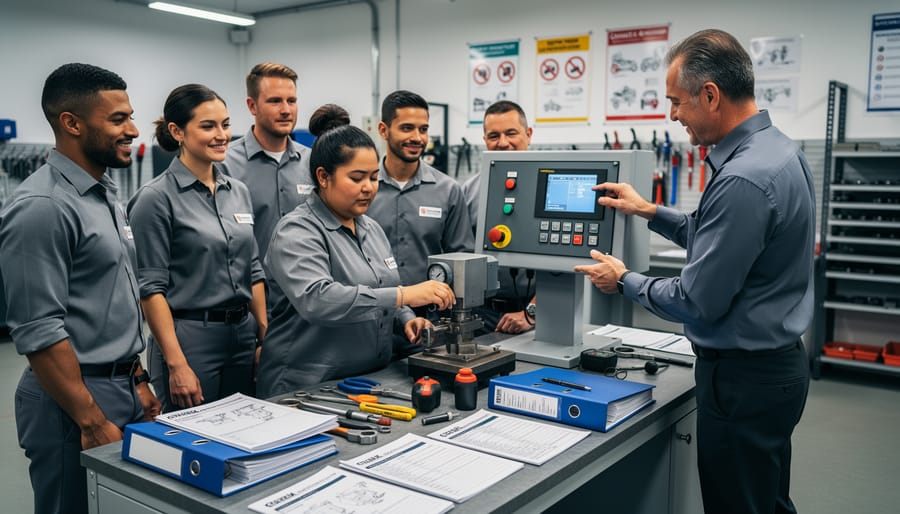
Adult learners in energy plants learn best by doing. Look for training materials that include practical exercises, not just reading passages. Hands-on practice helps operators build muscle memory and confidence before they face real workplace situations.
Effective materials should offer several types of practice activities. Checklists let learners work through procedures step-by-step, marking each task as they complete it. These work well for routine operations like equipment startup or shutdown sequences. Real-world scenarios present common problems operators might encounter, asking learners to identify solutions or explain what they would do.
Simulations are valuable when available. Even simple paper-based simulations, where learners respond to changing conditions in a written scenario, help build decision-making skills. Some materials include photos or diagrams showing equipment problems, asking learners to spot issues and explain the correct response.
The best training materials balance reading with doing. After each concept, learners should practice applying it. This approach helps adults with different reading levels stay engaged and retain information. Materials that expect learners to only read and remember rarely work as well in plant settings where practical skills matter most.
Safety Focus
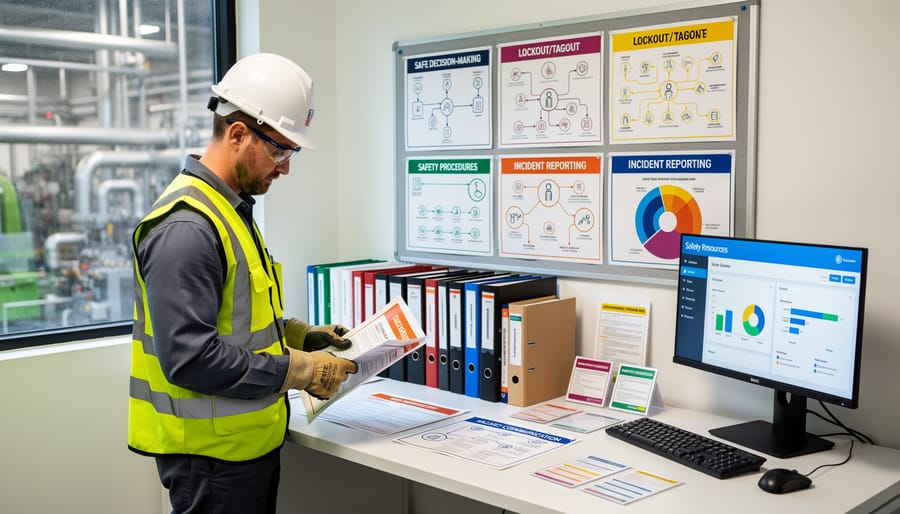
Safety procedures form the core of any operator training program. Look for materials that put emergency response steps in plain sight, clear diagrams showing exactly what to do when alarms sound, where to go during evacuations, and who to contact in different situations.
The best training materials break safety rules into simple, numbered steps. Instead of dense paragraphs about lockout-tagout procedures, effective resources use checklists and flowcharts that operators can follow while wearing protective equipment. Check that materials cover the specific hazards in your plant: chemical handling, confined spaces, electrical safety, or high-temperature processes.
Does the content meet your workplace’s regulatory requirements? Training materials should align with provincial occupational health and safety standards, not just provide generic safety advice. Ask if emergency scenarios match what could actually happen in your facility, real spill response procedures beat theoretical discussions every time.
Materials that include quizzes or practice drills help reinforce safety knowledge. Adult learners remember safety steps better when they walk through them, not just read about them.
Cost and Accessibility
Cost matters, but effective training materials don’t have to be expensive. Many Canadian literacy organizations offer free, high-quality resources designed specifically for adult learners in skilled trades and technical fields. These materials often include workbooks, visual guides, and practice exercises that meet industry standards without the price tag of commercial programs.
Free resources typically cover fundamental concepts and safety basics well. Paid materials may offer more specialized content, regular updates, or additional support like instructor guides and assessment tools. Before purchasing, check what’s actually included, some paid packages provide comprehensive training systems with videos, workbooks, and evaluation tools, while others are just printed manuals that cost hundreds of dollars.
Accessibility goes beyond cost. Look for materials available in multiple formats so learners can choose what works best for them. Digital resources should work on basic devices without expensive software requirements. Physical materials need clear printing and durable binding for workplace use. The best choice balances your budget with genuine usability, a free resource your team actually completes beats an expensive program that sits unused because it’s too complicated or hard to access.
Types of Training Materials Compared

Print Workbooks and Manuals
Print workbooks remain a practical choice for many plant environments. They don’t require electricity or internet access, so operators can use them during shift breaks, in control rooms, or anywhere on site. Learners can mark up pages, highlight important procedures, and return to sections they find challenging.
Workbooks excel when they include clear diagrams, step-by-step checklists, and space for notes. Adult learners often appreciate having something physical to reference during actual work tasks. Many free Canadian training programs provide downloadable workbooks that organizations can print as needed.
The main limitation is updating content. When regulations or procedures change, printed materials become outdated quickly. They also can’t demonstrate moving processes the way videos do, and they assume a certain reading level. For learners who struggle with text-heavy pages, workbooks work best when paired with visual materials or hands-on instruction rather than used alone.
Video and Visual Learning Tools
Videos work well for adult learners who find reading challenging. Watching someone demonstrate a task makes it easier to understand and remember than reading step-by-step instructions. Operators can see exactly how equipment works, observe proper techniques, and pause or replay sections they need to review.
Look for videos with clear narration that explains what’s happening on screen. Good instructional videos show close-up views of important details, use simple language without industry jargon, and break complex procedures into shorter segments. Videos around 5-10 minutes long keep attention focused better than lengthy presentations.
Check that videos include captions or subtitles. These help learners who process information better when they can both see and read, and they’re essential in noisy plant environments where audio might be hard to hear. Quality videos also show real workplace scenarios rather than just animations, helping operators connect what they’re learning to their actual job tasks.
Online and Digital Modules
Online and digital modules can work well when learners have access to computers and basic digital literacy skills. These programs offer flexible timing, operators can learn at their own pace during breaks or outside work hours. Look for modules with simple navigation, large buttons, and audio options that read text aloud for those who struggle with reading on screens.
However, not all adult learners feel comfortable with technology. Some may have never used computers regularly, while others find online learning isolating without an instructor present. Test any digital program before buying to ensure it doesn’t require complex login processes or assume advanced computer skills.
The best digital materials include offline options, downloadable PDFs or printed versions, so learners aren’t stuck if internet access fails. They should also save progress automatically, since new computer users often forget to save their work. Check whether the program works on tablets and phones, not just desktop computers, since many operators access learning on mobile devices.
Hands-On Training Kits
Physical practice materials bridge the gap between reading about equipment and actually operating it. Training kits might include scale models of control panels, mock-up valves to practice opening and closing, or simplified versions of safety equipment that let learners build muscle memory without workplace pressure.
Equipment simulations don’t need to be expensive. Some effective kits use everyday materials, color-coded pipes to practice tracing systems, laminated diagrams for equipment identification exercises, or basic tools for hands-on maintenance practice. The key is that learners can touch, manipulate, and repeat actions until they feel confident.
Interactive learning tools work especially well for adult learners who prefer doing over reading. Look for kits that include step-by-step guides with pictures, checklists learners can mark off as they practice each skill, and reusable components so groups can practice together. Canadian technical colleges and some safety organizations lend training kits to workplaces, making hands-on learning accessible even on tight budgets.
Recommended Approaches for Different Operator Roles
Different operator roles need different training approaches. A new trainee learning basic controls requires step-by-step instructions with lots of visual support, while an experienced operator updating certifications needs focused materials on specific changes or new equipment.
Match your training materials to where learners are starting from and what they need to do on the job. Here’s how to think about materials for different roles:
- New trainees with no plant experience: Start with foundational workbooks that explain basic equipment, safety protocols, and terminology using simple language and diagrams. Include hands-on practice kits and video demonstrations of core procedures they’ll perform daily.
- Experienced operators needing certification updates: Focus on digital modules or short manuals covering regulatory changes, new technology, or updated safety requirements. These learners benefit from materials that respect their existing knowledge and get straight to what’s new.
- Operators transitioning between plant types: Provide comparison guides that show differences in equipment, procedures, and safety protocols. Visual charts work well to highlight what’s similar and what’s different from their previous experience.
- Supervisors and lead operators: Choose materials that include troubleshooting scenarios, emergency response decision trees, and team coordination exercises. These roles need training on judgment calls and leadership, not just equipment operation.
For operators with lower literacy skills, prioritize materials heavy on photos, diagrams, and step-by-step checklists regardless of their experience level. An experienced operator who reads at a Grade 5 level still has valuable knowledge but needs materials that don’t rely on dense paragraphs of text.
Consider creating a starter package for new hires that includes a simple welcome manual, safety poster, and demonstration video, then layering on role-specific workbooks as they progress. This builds confidence before introducing more detailed technical content.
Canadian energy sector organizations can access free plain-language safety materials through provincial workplace safety boards, which often provide operator-focused guides designed for adult learners at various reading levels.
Common Mistakes to Avoid
Choosing the wrong training materials can waste time, money, and undermine learner confidence. Here are the most common mistakes organizations make when selecting resources for plant operators.
Choosing Materials That Are Too Complex
The biggest mistake is selecting training materials written at too high a reading level. Many technical manuals and industry resources assume college-level literacy, using complex sentences, jargon, and dense paragraphs. When materials don’t match learners’ skills, people feel frustrated and give up. Always check the reading level before purchasing. Look for materials that use short sentences, define technical terms, and break information into small chunks. Remember that even experienced operators may struggle with reading, so simpler is almost always better.
Ignoring What Learners Actually Need
Organizations sometimes buy materials without asking operators what would help them learn. The people doing the job know which tasks cause confusion and what skills need strengthening. Before selecting resources, talk to your team. Find out which topics they find hardest and which learning methods work best for them. Strategies to get through to reserved adults can help you gather honest feedback from learners who might hesitate to speak up.
Assuming One Format Fits Everyone
Not everyone learns the same way. Some operators learn best by reading, others need videos, and many need hands-on practice. Buying only one type of material leaves some learners behind. A good training program mixes formats. Provide the same information through different methods so everyone can find what works for them.
Overlooking Cultural and Language Differences
Many workplaces have operators from different cultural backgrounds or whose first language isn’t English. Materials with examples that only reflect one culture or assume specific cultural knowledge can alienate learners. Choose resources that use diverse examples and clear, simple language that translates well.
Frequently Asked Questions
Where can I find free training materials in Canada?
Several Canadian organizations offer no-cost resources for adult learners. Provincial literacy councils, community colleges, and workforce development programs often provide materials specifically designed for plant operators. Many government websites also host free safety training content and operator guides in multiple languages.
How do I know if materials match my workers’ reading levels?
Look for materials labeled with grade-level indicators or literacy-level ratings. Test a sample section with your team, if they complete it comfortably without assistance, the level is appropriate. Materials should use short sentences, clear headings, and plenty of visual support for adult learners who read below high school level.
Do training materials include certification or official credentials?
Some paid programs include certificates of completion, but many free materials do not. Check whether your workplace or industry requires specific credentials, some employers accept internal training records while others need government-recognized certifications. Free materials can still build essential skills even without formal credentials.
How often should we update our training materials?
Review materials at least once a year to ensure safety procedures and equipment information remain current. Schedule updates whenever regulations change or new equipment is installed. Regular refreshers help prevent skill fade and keep operators confident with evolving workplace practices.
These questions reflect the real concerns organizations face when supporting adult learners in energy plant environments. The key is finding materials that respect your workers’ time and abilities while building genuine competence. Remember that effective training doesn’t always require expensive programs, the best materials are those your operators actually use and understand. Focus on clear communication, practical relevance, and formats that work for your specific team. When workers feel supported rather than tested, they engage more fully with training and retain more information for the long term.
Choosing the right training materials for energy plant operators makes a real difference in workplace safety and learner confidence. When you select resources that match your team’s reading levels and learning styles, you’re not just checking a compliance box, you’re building a foundation for long-term success.
Adult learners thrive when materials speak their language. Plain English instructions, visual aids, and hands-on practice opportunities help operators grasp complex procedures without feeling overwhelmed. The clearer your training resources, the more confident your team becomes in handling equipment safely and responding effectively during emergencies.
Remember that quality training materials don’t need to drain your budget. Many excellent Canadian resources are available at no cost, designed specifically for adult learners in industrial settings. These free options often match or exceed paid alternatives in clarity and practical application. Take time to review what’s available before committing to expensive programs.
Your choice of training materials shows what you value. When you prioritize accessible, well-designed resources, you’re telling your operators that their learning matters. You’re investing in their professional growth and your workplace’s safety culture.
Start by evaluating materials against the factors covered in this guide. Test them with actual learners when possible. Listen to feedback. Adjust as needed. The effort you put into selecting the right training materials today pays off through better-skilled operators, fewer incidents, and a more confident workforce tomorrow. Your team deserves resources that help them succeed.