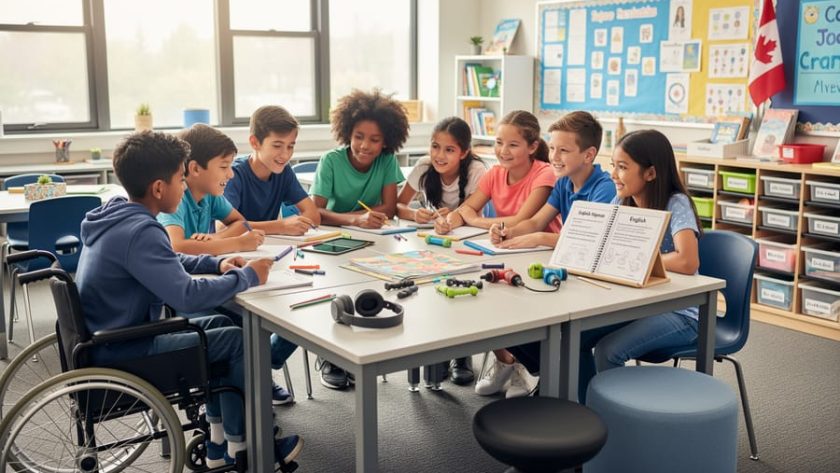
Inclusive education means all students learn together in the same classroom, regardless of their abilities, backgrounds, or needs. Every child belongs, participates, and receives the support they need to succeed alongside their peers. This approach removes barriers and creates learning environments where differences are valued, not separated.
For adult learners, educators, and literacy workers across Canada, understanding inclusive education matters now more than ever. Classrooms in 2026 reflect growing diversity, with students bringing different learning styles, languages, physical abilities, and life experiences. Inclusive education isn’t about treating everyone the same. It’s about recognizing that fairness means giving each person what they need to learn and grow.
This article breaks down what inclusive education looks like in real classrooms. You’ll learn how it works in practice, the essential components that make it successful, and where it applies in Canadian learning spaces. Whether you’re teaching adults who are building literacy skills or supporting young learners, the principles stay consistent: adapt teaching to fit the student, not the other way around.
The shift toward inclusive education reflects a broader commitment to equity. Free resources and training programs across Canada help educators build these skills without financial barriers. When done well, inclusive education benefits everyone in the classroom by fostering empathy, collaboration, and respect for differences from the start.
What Inclusive Education Means
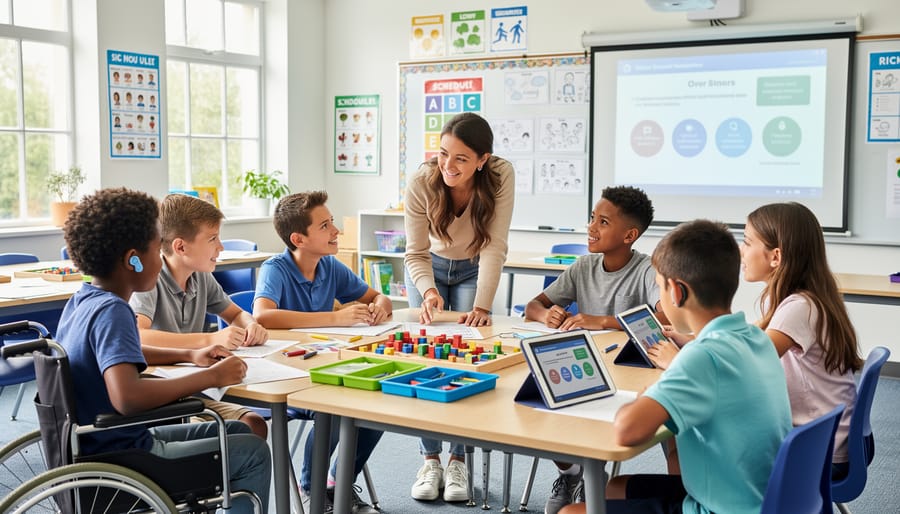
Inclusive education means all students learn together in the same classroom, no matter their abilities, backgrounds, or learning needs. Every student belongs in the regular classroom and receives the support they need to succeed there.
In an inclusive classroom, you’ll find students with different learning styles sitting side by side. Some might have physical disabilities. Others might have learning differences like dyslexia or ADHD. Some students might be learning English as a new language. The key is that everyone learns together with proper support, rather than being separated into different rooms or programs.
This approach is different from older models where students with disabilities or special needs were taught in separate classrooms or even separate schools. Those segregated systems kept students apart based on their differences. Inclusive education recognizes that diversity makes classrooms stronger and that all students benefit when they learn together.
Understanding a few key terms helps clarify what inclusive education involves:
- Accommodation
- A change in how a student learns or shows what they know, without changing what they’re learning. Examples include extra time on tests or using audiobooks instead of printed texts.
- Universal Design for Learning
- Teaching methods designed from the start to work for everyone, offering multiple ways to learn, engage, and demonstrate knowledge.
- Diversity
- The variety of differences among people, including abilities, backgrounds, cultures, learning styles, and experiences.
- Equity
- Giving each student what they specifically need to succeed, which means different students might receive different types or amounts of support.
The goal is simple: create classrooms where every student can participate, contribute, and learn alongside their peers. With the right supports in place, inclusive education makes this possible.
How Inclusive Education Works
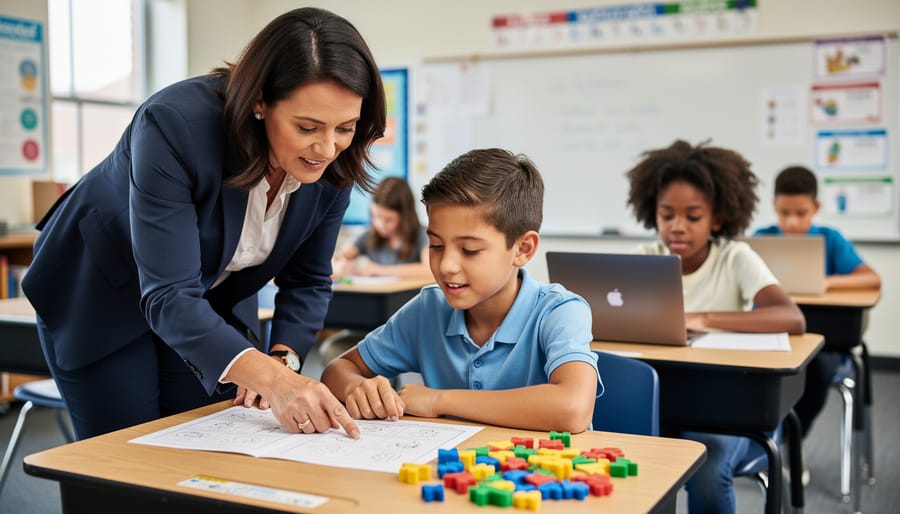
In an inclusive classroom, teachers design lessons that work for everyone, then adjust them to fit each student’s needs. The day starts with everyone together, no separate rooms or special groups. A teacher might introduce a topic using words, pictures, and hands-on materials at the same time, so students can learn in the way that works best for them.
Teachers make lesson plan adaptations throughout the day. One student might read a simplified version of a text while another listens to an audio recording. Someone else might need more time to finish an assignment or prefer to show what they learned by drawing instead of writing. These are accommodations without changing what students are learning, just how they access it.
The classroom itself looks different too. You might see:
- Flexible seating like chairs, cushions, or standing desks
- Multiple ways to learn the same content, reading, watching videos, or practicing
- Peer support where students help each other understand ideas
- Assistive technology like text-to-speech programs or magnifiers
- Individual plans that outline specific supports for each student
Teachers don’t work alone. Special education teachers, educational assistants, and specialists come into the classroom to provide extra help. They might work with one student at a time or support small groups. Sometimes they use J learning methods that let students progress at their own pace.
The goal is simple: create a space where every student feels they belong and can succeed. Teachers greet students by name, celebrate different strengths, and make sure everyone participates in class discussions and activities. When someone needs help, it’s treated as normal, not different.
Key Parts of Inclusive Education
Learning Support and Accommodations
Learning support and accommodations are tools that help students access the same lessons as their classmates. These supports change how students learn, not what they learn.
Common accommodations include extra time to complete assignments or tests. Some students might use large print materials or audio recordings to access reading content. Visual aids like charts, diagrams, and picture supports help make concepts clearer. Assistive technology includes screen readers, text-to-speech programs, or special keyboards that make learning accessible.
Reading support might mean having someone read instructions aloud or providing simplified text versions alongside regular materials. Some students use graphic organizers to plan their writing or quiet spaces to reduce distractions during focused work.
The key idea is fairness, not sameness. A student using text-to-speech software is learning the same history lesson as everyone else, just accessing it differently. Someone getting extra time on a math test is solving the same problems, just with the time they need to show what they know.
These supports are based on individual needs and can change as students grow and develop new skills.
Teacher Collaboration and Training
Teachers don’t work alone in inclusive classrooms. They team up with special education teachers, teaching assistants, and specialists to support every student.
General classroom teachers bring their knowledge of the curriculum and group teaching skills. Special education teachers add expertise in adapting lessons and understanding different learning needs. Together, they plan lessons that work for the whole class while providing extra support where needed.
Teaching assistants help during lessons by working one-on-one with students who need more time or different explanations. They might read instructions aloud, help organize materials, or guide a student through an activity step by step.
Specialists like speech therapists, counselors, or reading coaches join the team too. They share strategies that teachers can use every day. For example, a speech therapist might show teachers simple techniques to help a student communicate better during class discussions.
This teamwork requires regular planning meetings and ongoing training. Teachers learn new methods, share what works, and adjust their approach based on what students need. Many school boards and literacy organizations offer free training workshops to help teachers develop these collaborative skills.
Accessible Learning Materials
Accessible learning materials mean everyone can use the same content in ways that work for them. In inclusive classrooms, the same lesson might be available in large print for someone with low vision, as an audio file for someone who learns better by listening, or with simplified text for someone building their reading skills. Visual supports like pictures, diagrams, and color-coding help many learners understand complex ideas without relying only on text.
Teachers don’t need to create everything from scratch. Many free resources exist, particularly in Canada, where literacy organizations share accessible learning materials designed for different reading levels. Digital tools can change text size instantly, add definitions, or read passages aloud. The key is offering choice: when learners can pick the format that helps them most, everyone gets equal access to knowledge. This flexibility removes barriers without lowering expectations or changing what students need to learn.
Where Inclusive Education Is Used
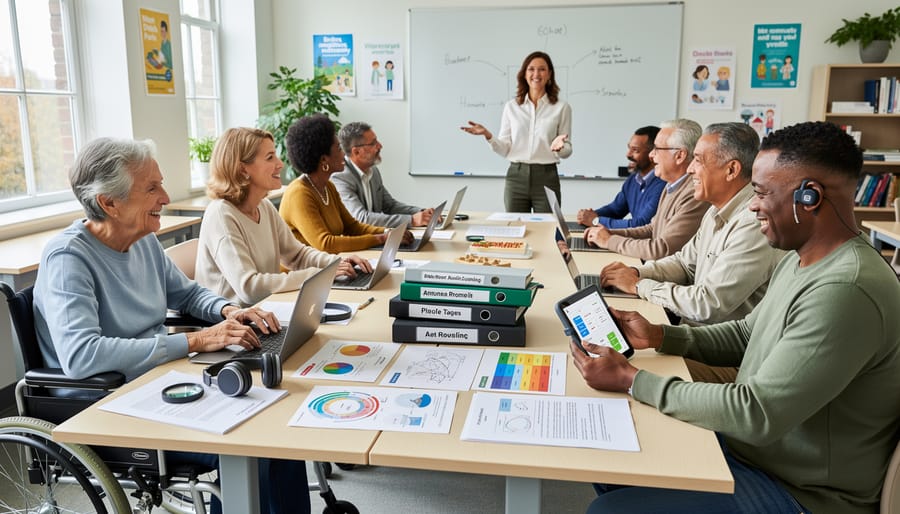
You’ll find inclusive education in many learning environments across Canada. While it’s most visible in elementary and high school classrooms where students of all abilities learn together, the same principles apply far beyond traditional schools.
Adult learning programs use inclusive practices every day. Community literacy programs welcome learners at different reading levels in the same session, adapting materials so everyone can participate. ESL classes might include newcomers with varying educational backgrounds, some who’ve never attended school and others with university degrees. GED preparation courses bring together learners with different strengths, some excel at math but struggle with writing, while others show the opposite pattern.
Inclusive education happens in:
- K-12 classrooms where students with and without disabilities learn side-by-side
- Adult ESL programs serving newcomers with diverse learning needs
- GED preparation courses supporting learners at different skill levels
- Literacy circles that welcome readers from beginner to intermediate stages
- Skills training programs teaching workplace tasks using adult-friendly activities
- Public library programs offering accessible learning opportunities
Community colleges across Canada design courses to be inclusive from the start, providing note-takers, extra time for tests, and flexible assignment formats. Workplace training programs increasingly use inclusive methods too, recognizing that employees learn differently and benefit from varied instruction approaches.
Many Canadian literacy organizations offer free inclusive materials. AlphaPlus provides accessible digital resources. Literacy Nova Scotia shares adaptable lesson plans. ABC Life Literacy Canada offers plain-language guides that work for mixed-ability groups. These resources help instructors create welcoming spaces where all adult learners can succeed together, regardless of their starting point or learning differences.
Benefits for Everyone
Inclusive education creates advantages for every student in the classroom, not just those who need extra support.
When students with different abilities learn together, everyone gains important social skills. Classmates learn to appreciate differences and understand that people have varied strengths. They develop empathy by seeing how others solve problems in different ways. These classrooms feel more welcoming because diversity becomes normal rather than something unusual. Friendships form across ability levels, helping all students feel they belong. Students practice patience, kindness, and respect daily, which prepares them for diverse workplaces and communities.
The learning benefits extend to everyone too. When teachers explain concepts multiple ways to meet different needs, all students get clearer instruction. Visual learners benefit from diagrams added for students who struggle with text. Students who grasp ideas quickly can deepen their understanding by helping classmates, which strengthens their own knowledge. Hearing different perspectives on the same topic helps everyone think more creatively.
Inclusive classrooms also mirror real life better than segregated ones. Workplaces include people with varied abilities and backgrounds. Adult learning programs bring together students with different experiences. By learning alongside diverse peers from the start, students develop collaboration skills they will use throughout their lives. They become comfortable asking for help and offering support, creating stronger communities where everyone contributes.
For adult learners returning to education, inclusive settings reduce the isolation that often accompanies learning challenges.
Common Questions About Inclusive Education
Many people wonder how inclusive education really works when students have different needs. These questions come up often in classrooms, literacy programs, and community learning spaces.
Does inclusive education slow down other students?
No. Research shows that when teachers use varied teaching methods, all students benefit from different approaches and perspectives. Students often learn well by helping and working with peers who learn differently.
How do teachers manage so many different needs?
Teachers use flexible lesson plans, work with support staff, and adapt materials so everyone can participate at their level. They also receive training in inclusive teaching strategies and collaborate with specialists.
Is inclusive education available in my community?
Most Canadian public schools and many adult learning programs now use inclusive approaches. Contact your local school board, literacy organization, or community college to ask about their inclusive programs and supports.
What if someone needs a lot of extra help?
Students who need significant support receive it within the classroom through educational assistants, specialized equipment, or modified activities. The goal is providing necessary help while keeping everyone together as much as possible.
Another common concern is whether inclusive classrooms prepare students for the real world. Actually, they do this well because workplaces and communities include people with different abilities and backgrounds. Learning alongside diverse peers teaches valuable skills like patience, communication, and problem-solving.
Some adult learners worry they’re too old to benefit from inclusive programs. That’s not true. Inclusive adult education and literacy classes welcome learners of all ages and abilities. Many programs offer free materials designed for different learning styles and reading levels.
If you’re looking for inclusive learning opportunities, start by checking with your local library, school board, or literacy council. Many offer free programs and can connect you with resources that match your needs.
Inclusive education works when everyone learns together in the same classroom with the right support. It’s not just good for students with disabilities or learning differences, it helps all learners grow, understand each other better, and prepare for the real world.
If you’re an educator or adult learner in Canada, free resources are available to help you create or find inclusive learning environments. Many literacy organizations across Canada offer accessible materials designed for different learning needs. Community colleges and adult learning programs increasingly use inclusive approaches, and you can ask about accommodations that fit your situation.
Remember: inclusive education means no one learns alone or separately. With proper support, everyone belongs in the classroom and can succeed together.