No. Your brain can learn new skills at any age, and thousands of Canadian adults improve their reading and writing skills every year, many in their 50s…
Literacy for Adults: What It Means and How Resources Help You Learn
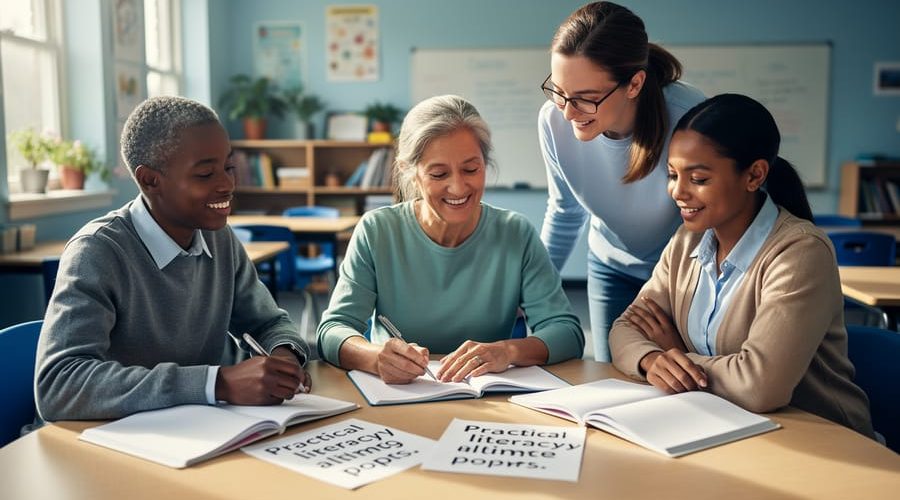
No. Your brain can learn new skills at any age, and thousands of Canadian adults improve their reading and writing skills every year, many in their 50s…

Evolutionary psychology is the study of how human thoughts, feelings, and behaviours developed over thousands of years to help our ancestors survive and reproduce. This field explains why we act the way we do today by looking at the challenges early humans faced, like finding food, staying safe, and forming relationships. Understanding evolutionary psychology can help you make sense of everyday behaviours, from why we crave sweet foods to why we form close friendships.
This article will explain what evolutionary psychology is, how it works, and how it applies to daily life. You’ll learn about the main ideas in this field …

Instructional methods for teaching are the specific strategies and techniques educators use to help students learn, understand, and apply new knowledge and skills. These methods range from direct instruction and hands-on activities to collaborative group work and technology-enhanced learning, each designed to meet different learning needs and contexts.
Choosing the right instructional approach matters because it shapes how effectively students grasp new concepts, stay engaged, and build confidence. For adult learners working on literacy fundamentals …
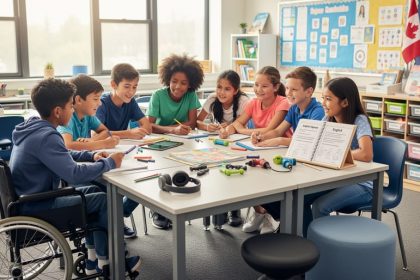
Inclusive education means all students learn together in the same classroom, regardless of their abilities, backgrounds, or needs. Every child belongs, participates, and receives the support they need to succeed alongside their peers. This approach removes barriers and creates learning environments where differences are valued, not separated.
For adult learners, educators, and literacy workers across Canada, understanding inclusive education matters now more than ever. Classrooms in 2026 reflect growing diversity, with students bringing different learning styles, languages, physical abilities, and life experiences. Inclusive …

Place value is the foundation of our number system, and you can learn or teach it effectively using hands-on materials like base-ten blocks, bundling sticks, or even everyday items like beans and cups. Whether you’re an adult learner building your own math confidence or an educator guiding others, the key is making the abstract concept concrete: understanding that the digit 7 in 372 represents 70, not just 7, because its position gives it meaning.
Many adults struggle with place value simply because they memorized procedures without grasping why numbers work the way they do. When you can physically group ten ones into a ten, …

Personality psychology is the study of how people develop their unique patterns of thinking, feeling, and behaving. This field explores what makes you different from everyone else and why you respond to situations in your own particular way. When you meet someone who is naturally outgoing while another person prefers quiet time alone, personality psychology examines where those differences come from and how they shape daily life.
Researchers in this field look at both the traits you were born with and the experiences that have shaped you over time. They study questions like whether shy children grow into shy adults, how your …
The cognitive perspective helps us understand how our minds process written words and turn them into meaning. Think of it as a roadmap that shows what happens in your brain when you read. For adult learners working to improve their reading skills, this framework explains why some texts feel easier than others and what specific abilities you need to strengthen.
At its core, reading requires two essential skills working together: recognizing words on the page (called decoding) and understanding what those words mean when combined (language comprehension). A recent 2026 study by researchers Naila Fethi and Krisztián Józsa highlighted…
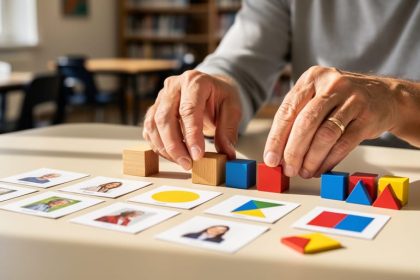
Learning materials designed for three-year-olds can be powerful starting points for adult elementary learners when adapted thoughtfully. The connection works because both groups benefit from visual learning, hands-on activities, clear repetition, and bite-sized lessons that build confidence through small wins. The key difference lies in the presentation: adults need materials that respect their life experience and dignity while still delivering the same foundational concepts in literacy, numeracy, and problem-solving.
This approach makes sense for several reasons. Three-year-old learning materials strip concepts down to their …

Melanotan-II is a synthetic peptide made of seven linked amino acids that mimics a natural hormone in your body, triggering skin cells to produce melanin, the pigment that darkens your skin. This lab-created molecule has a specific ring-shaped structure that lets it bind tightly to certain receptors, making it far more potent and longer-lasting than the body’s own tanning hormone. People often buy Melanotan II for cosmetic tanning or research purposes, but understanding its chemical makeup helps explain both how it works and why it carries risks.
The peptide’s …

Learning the letter J is a foundational literacy skill that takes most adult learners 3 to 5 practice sessions to master through a simple progression: recognition, sound connection, writing practice, and real-world application. Whether you’re an educator developing adult lesson plans or a learner building your reading skills, this letter offers a clear starting point because it appears consistently in everyday Canadian contexts like job …