
Adult literacy means the ability to read, write, and use numbers well enough to function in daily life, whether that’s reading a medicine label, filling out a job application, or helping a child with homework. In Canada today, nearly half of adults struggle with these essential skills, but free programs across the country provide confidential, judgement-free support designed specifically for adult learners.
Learning to read and write as an adult looks different than it did in childhood. Adult literacy programs recognize that grown learners bring life experience, clear goals, and busy schedules. They offer flexible options like evening classes, online learning, and one-on-one tutoring that fit around work and family. The focus is practical: skills you can use right away.
The impact goes far beyond personal achievement. Adults who improve their literacy earn more, feel more confident, and participate more fully in their communities. They model learning for their children and contribute to inclusive education in their families and workplaces.
Whether you’re an adult learner considering your first step, a family member looking for resources, or an educator seeking effective approaches, understanding how adult literacy works in Canada opens doors. The programs are there. The support is real. And it’s never too late to start.
What Does Literacy Mean for Adults?

Literacy for adults means much more than reading books or writing letters. It’s about handling the practical tasks that come up in daily life, understanding a lease agreement, reading medication instructions, filling out job applications, or replying to emails from your child’s school. Adult literacy includes the skills you need to navigate the world confidently, whether that’s calculating a grocery budget, following safety signs at work, or searching for information online.
Many people think literacy is just about reading words on a page, but it also covers numeracy (working with numbers), digital skills (using computers and phones), and communication. Can you understand a pay stub? Write a text message to schedule an appointment? Follow written directions to complete a task at work? These are all literacy skills, and they matter in real, everyday situations.
Adults come to literacy learning for different reasons and from different starting points. Some never had the chance to finish school. Others learned in a different language and need help with English or French. Some can read fairly well but struggle with writing or math. There’s no single definition of what “literacy level” means, it’s about what skills you need for your life and goals.
Learning at any age is absolutely possible. Your brain doesn’t stop being able to learn when you leave school. Barriers to adult learning exist, but they’re about circumstances like time, access, and confidence, not ability. Adults bring life experience, motivation, and clear goals to their learning, which actually makes them strong learners. Whether you’re 25 or 65, improving your literacy skills opens doors.
Why Adults Seek Literacy Support
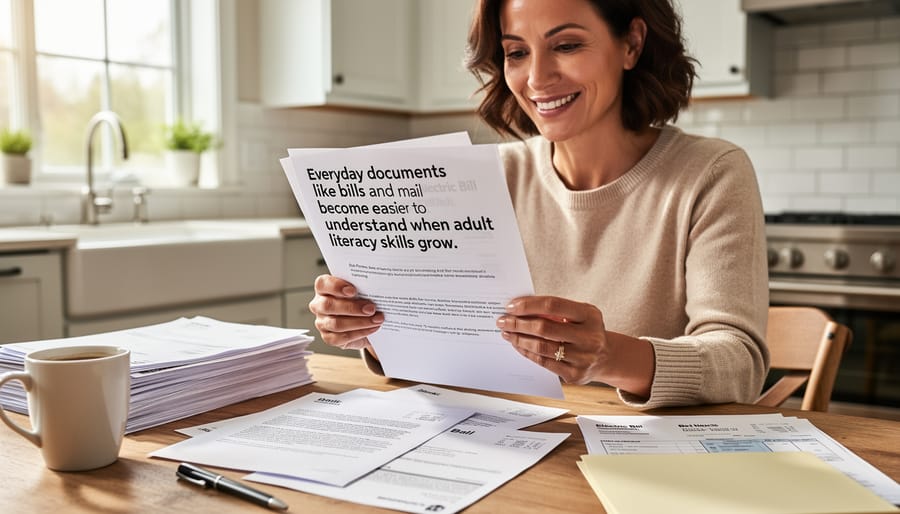
Adults choose to improve their literacy for deeply personal reasons, and each journey is valid and worthwhile. Many seek better job opportunities or need specific skills for their current work, reading safety manuals, writing emails, completing reports, or understanding training materials. When literacy holds someone back professionally, strengthening these skills opens doors.
Family responsibilities motivate many learners. Parents want to read with their children, help with homework, or understand school communications. Grandparents hope to stay connected through text messages and emails. These family connections matter, and literacy makes them richer.
Some adults pursue literacy for everyday independence, managing personal finances, reading medical information, completing government forms, or understanding contracts and agreements. These practical skills reduce reliance on others and build self-sufficiency.
Newcomers to Canada often need literacy support in English or French while adjusting to a new country. Even those fluent in conversation may need help with written Canadian English, workplace communication, or document comprehension.
Personal goals drive many learners too. Some always wanted to read novels, write their own stories, or simply feel more confident in social situations. Others return to learning after life circumstances interrupted their education years ago.
Whatever the reason, seeking literacy support shows strength and determination. Adult learning is normal, valuable, and increasingly common across Canada. You are not alone in this journey.
How Adult Literacy Resources Work in Canada

Free Resources and Where to Find Them
Adult literacy resources in Canada are free and available in every province and territory. You don’t need money to start learning.
Public libraries are the first place to look. Most libraries have literacy collections with workbooks, practice books, and easy-to-read materials designed for adults. Librarians can help you find what you need without asking difficult questions. Many libraries also offer computer access and WiFi if you want to use online resources.
Community centers and family resource centers often host literacy programs and provide free learning materials you can take home. Check bulletin boards or ask staff about adult learning supports in your area.
Online platforms make learning possible from home. Websites run by provincial literacy organizations and community colleges offer free worksheets, lessons, and practice activities. You can work at your own pace without signing up for classes.
Non-profit literacy organizations across Canada provide materials by mail or through drop-in centers. These groups understand adult learners and create resources specifically for people building their skills. Most have toll-free numbers and welcoming staff who answer questions about what’s available near you.
What Makes Resources Work for Adult Learners
Good adult learning materials respect where you are and what you need. They’re built differently than resources for children, even when teaching the same basic skills.
The biggest difference is topic relevance. Quality adult learning materials use real situations you face: reading apartment leases, understanding medication labels, writing work emails, or helping your own children with homework. You won’t practice reading with stories about playground games. Instead, you’ll work with rental applications, bus schedules, or job postings.
The tone matters too. Effective resources treat you as capable adults gaining new skills, not as children. They explain clearly without talking down, using straightforward language that doesn’t waste your time.
Self-paced design is essential because adult lives are busy. Good materials let you work 10 minutes or an hour, stop and return, and progress at your own speed without pressure.
Finally, elementary-level clarity doesn’t mean childish content. The best resources break complex tasks into manageable steps while keeping the subject matter meaningful to your actual life. They build confidence through practical success, not cartoon characters or juvenile rewards.
Getting Started with Literacy Learning
Starting your literacy journey takes courage, and the first step is deciding what matters most to you right now. Do you want to read bedtime stories to your children? Fill out job applications? Understand medical forms? Write emails? Your personal goals will guide which skills to focus on first.
Once you know what you want to learn, look for programs and resources in your community. Public libraries offer free literacy materials and can connect you to local programs. Community centers, employment offices, and immigrant services often provide learning support. Online, you’ll find worksheets, practice exercises, and tools designed specifically for adults. Some learners use J learning methods that break skills into manageable steps, while others follow structured adult lesson plans that build confidence gradually.
- Decide what you want to learn or improve
- Find a local program or free online resource
- Start with one small goal
- Practice a little each day
- Ask for help when you need it
Small, regular practice works better than occasional long sessions. Fifteen minutes daily builds skills faster than cramming once a week. Choose materials that match your current level, not where you think you should be. If something feels too hard, find an easier version. There’s no shame in starting simple.
Remember that everyone learns at their own pace. Some skills will click quickly. Others take longer. Celebrate each small win, whether it’s reading a street sign, writing your name clearly, or understanding a bill. Progress matters more than speed. When you get stuck or frustrated, reach out. Literacy workers, tutors, and other learners understand the challenges and want to help you succeed.
Common Questions About Adult Literacy
Is it ever too late to learn?
No. Your brain can learn new skills at any age, and thousands of Canadian adults improve their reading and writing skills every year, many in their 50s, 60s, and beyond.
Do I need to go to a classroom?
Not necessarily. While some people enjoy classroom settings, you can also learn at home with workbooks, online materials, or one-on-one tutoring that fits your schedule and comfort level.
How long does it take?
Progress varies for everyone. Some adults notice improvements in weeks, while others work steadily for months or years. What matters is moving forward at your own pace.
Will people judge me?
Literacy programs and tutors respect your privacy and treat you with dignity. Many adults feel nervous at first, but they quickly discover a supportive environment without judgment.
Are resources really free?
Yes. Public libraries, community organizations, and non-profit literacy groups across Canada provide materials and support at no cost to you.
How can I help a family member?
Encourage them gently without pressure, help them find local resources, offer to practice together, and respect their readiness to start when they feel comfortable.
These questions come up often because adults worry about making a change. The truth is that seeking literacy support shows strength, not weakness. You’re taking control of your learning and your future.
If cost has held you back, know that Canadian literacy resources operate on the principle that everyone deserves access to learning, regardless of income. You won’t face tuition fees, expensive textbooks, or hidden charges. Libraries stock free workbooks, websites offer downloadable practice sheets, and volunteer tutors donate their time because they believe in you.
Privacy matters too. Literacy organizations understand that discretion is important. You can learn without explaining yourself to neighbors or coworkers, and your participation stays confidential. Some people tell friends and family right away; others prefer to keep it private until they feel ready to share their progress.
Learning to read, write, and build everyday skills as an adult opens doors you might not have thought possible. Whether you’re working toward a job, helping your children with school, managing daily tasks more easily, or simply gaining confidence, literacy learning matters at any stage of life. The journey looks different for everyone, and that’s perfectly okay.
Across Canada, free literacy resources exist specifically for adult learners. Libraries, community organizations, and non-profits provide materials designed with you in mind, respectful, practical, and focused on real-life skills. You don’t need money, special equipment, or permission to start. These resources belong to you.
If you’re considering taking that first step, know that thousands of adults are learning right alongside you. Some study at home with worksheets. Others join small groups or work with tutors. Many combine different approaches until they find what fits. There’s no single right way, and there’s no timeline you must follow.
Perhaps you’re reading this because you want to support someone else, a family member, friend, or community member. Your encouragement matters enormously. Simply knowing that quality help exists and is free can make all the difference.
Adult literacy learning isn’t about making up for lost time. It’s about moving forward from wherever you are now. The resources are here. The possibility is real. When you’re ready, begin.