
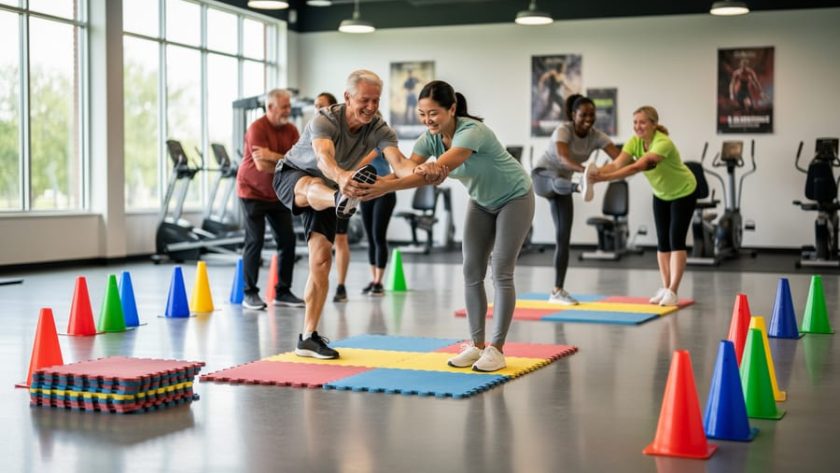
Creating effective PE lesson plans for adult learners at the elementary level takes about 30 to 45 minutes once you understand the key components: clear learning goals, appropriate activities that respect adult dignity, simple language for instruction, and built-in opportunities for success. The process works because it balances physical skill development with the social and emotional needs of adult learners who may feel vulnerable in physical education settings.
Adults with elementary-level literacy skills deserve physical education that builds confidence while improving coordination, strength, and overall health. Unlike children’s PE classes, adult programs require accessible instruction that acknowledges life experience and varying fitness levels. Many adult learners have spent years away from structured physical activity, so lesson plans must create a safe, welcoming environment where trying new movements feels possible.
The right lesson plan includes five essential elements: measurable objectives written in plain language, a warm-up that everyone can do, a main activity with clear steps, a cool-down period, and a simple way to check if learners met the goal. Each element supports adult learners in building physical literacy without overwhelming them with complicated terminology or fitness jargon.
Canadian educators and literacy workers can access free resources and adapt them for their communities. Whether you work in urban centres or rural areas, these lesson planning strategies help you design PE sessions that fit your space, equipment, and learners’ needs. The approach respects where adults are starting from while giving them practical skills for healthier, more active lives.
What You Need: Tools and Materials
Basic Equipment for Adult PE Lessons
You don’t need expensive equipment to run effective PE lessons for adult learners. Start with a few basic items that support safe, inclusive activities.
Essential equipment includes soft foam balls in various sizes (safer for beginners and less intimidating than hard balls), plastic cones or markers to define activity spaces, exercise mats or yoga mats for floor activities and stretching, and lightweight resistance bands for strength work. A simple portable speaker helps with music-based activities and keeps energy up.
Many literacy organizations and community centers across Canada already own this equipment and will share it with adult education programs. Check with your local library, recreation center, or community league, they often loan equipment for free or charge minimal fees.
Thrift stores and online marketplaces regularly sell used sports equipment at low prices. Dollar stores carry basic balls, jump ropes, and plastic cones. You can also improvise: water bottles work as cones, rolled towels replace mats, and household items like soup cans substitute for light weights.
Start with three or four versatile items rather than buying everything at once. A few quality basics support dozens of different activities.

Planning Resources and Templates
Finding the right planning tools doesn’t have to cost you anything. Many Canadian literacy organizations offer free lesson plan template options designed specifically for adult education. These templates provide a simple framework where you can fill in your learning goals, activities, and timing without starting from scratch each time.
The Community Literacy of Ontario and local literacy councils across Canada share ready-to-use worksheets and planning guides. Look for templates that include space for activity descriptions, equipment lists, and modification notes, these sections help you stay organized while teaching. Many templates also include visual cues and simple language prompts that match elementary literacy levels.
You can adapt general PE templates by simplifying the language and adding sections for adult-specific considerations like physical limitations or work schedule conflicts. Provincial adult education websites often provide downloadable planning tools in Word or PDF format that you can print or save on your phone for quick reference during class.
Start with one basic template and use it consistently. As you become comfortable, you can customize it to match your teaching style and your learners’ needs. Keep a folder of completed lesson plans, they become valuable resources you can reuse and refine for future sessions.
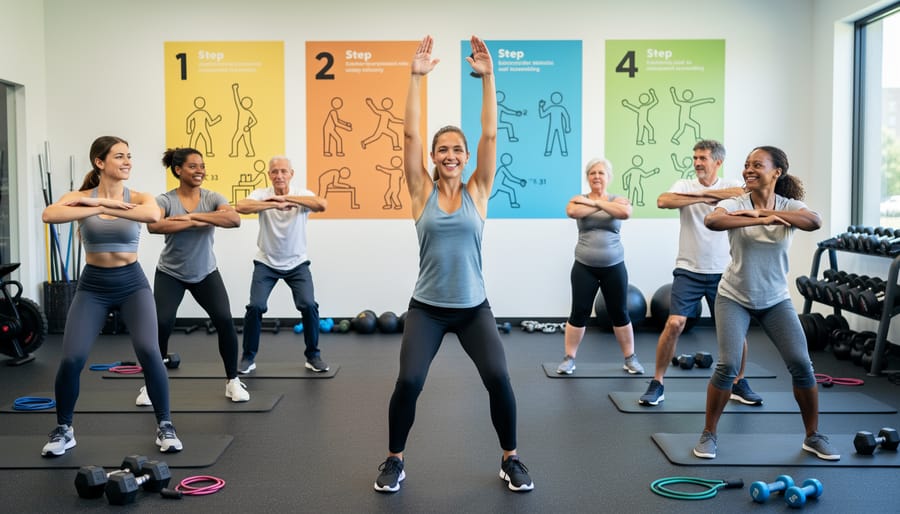
Safety Considerations for Adult Learners
Understanding Physical Limitations
Adult learners bring diverse physical abilities to PE classes. Some may have chronic conditions like arthritis, diabetes, or heart disease. Others might be recovering from injuries or dealing with age-related changes in balance and flexibility. Many haven’t exercised regularly in years.
Start every session with a simple verbal check-in. Ask learners how they’re feeling and if they have any concerns that day. Watch for signs of discomfort during activities: heavy breathing, limping, or hesitation. These signals matter more than what learners say, since many adults push through pain to avoid seeming weak.
Create a private health questionnaire that asks about common conditions, recent surgeries, and current medications. Keep this information confidential but accessible when planning activities. You’re not diagnosing anyone. You’re gathering enough information to make smart choices about intensity and movement types.
Expect a wide fitness range in every class. One learner might walk five kilometers daily while another gets winded climbing stairs. Design activities with natural difficulty levels built in. For example, in a throwing activity, let learners choose their distance from the target. Everyone participates successfully without public comparisons.
Creating a Safe Learning Space
A safe learning space starts with the physical setup. Clear the area of obstacles and tripping hazards before your lesson begins. Mark boundaries with cones or tape so learners know where activities will happen. Check that equipment is in good condition and appropriate for adult bodies, child-sized items can cause awkward movements that lead to injury.
Flooring matters more than many educators realize. Hard surfaces increase impact stress on joints, so use mats for floor exercises or choose grassy areas when possible. Keep a first aid kit visible and accessible. Make sure learners know where washrooms and water are located.
Emotional safety is equally important for building confidence and supporting physical literacy in PE. Start each session with a clear statement that everyone moves at their own pace and that there’s no judgment. Many adult learners carry shame about their bodies or past negative experiences with physical education.
Use encouraging language that focuses on effort rather than performance. Never single out someone who’s struggling. Position yourself where you can see all learners without standing in a way that feels like surveillance, circulate naturally and offer quiet, individual guidance.
Set ground rules about respectful behaviour in your first session. Make it clear that laughing at others isn’t acceptable, but laughing with each other during fun moments builds community. Create opportunities for partner or small group work so learners support each other rather than feeling isolated or on display.
Step-by-Step: Creating Your PE Lesson Plan
Step 1: Set Clear, Simple Learning Goals
Start by choosing one specific skill you want learners to improve by the end of your lesson. Instead of broad goals like “get fit” or “learn sports,” pick something concrete and measurable. For example: “learners will throw and catch a soft ball three times” or “learners will balance on one foot for five seconds.”
Write your goal using simple, everyday language. Avoid PE jargon and technical terms. Say “throw” instead of “execute an overhand pitch.” Say “walk in a straight line” instead of “demonstrate linear locomotion.”
Make sure your goal fits the time you have. A 30-minute lesson should focus on one or two simple skills, not an entire sport. Adult learners need time to practice, ask questions, and build confidence without feeling rushed.
Test your goal by asking: Can I see it happening? Can learners tell if they did it? Would success feel achievable, not overwhelming? If you answer yes to all three, your goal is ready. You can always adjust after your first lesson based on what actually worked.
Step 2: Choose Appropriate Activities
Choosing activities that work for adult learners requires a different approach than planning for children. Adults need exercises that respect their dignity while building fundamental movement skills they may have missed learning earlier in life.
Start with low-impact activities that don’t require special athletic ability. Walking games, gentle stretching routines, and simple ball-passing exercises let everyone participate regardless of fitness level. Avoid activities that might trigger embarrassment, like having adults hop on one foot or crawl across the floor, these movements can feel childish and undermine the respectful atmosphere you’re building.
Pick activities with clear, practical benefits. Adults engage more when they understand how an exercise connects to real life. Balance exercises help with daily stability. Throwing and catching improve hand-eye coordination for everyday tasks. Light strength movements support independence.
Make sure your chosen activities allow for success quickly. Adults who’ve struggled with learning need early wins to build confidence. A simple activity like tossing beanbags into targets gives immediate feedback and visible improvement within one session.
Consider activities adults can practice outside class. Teaching a basic stretching routine they can do at home extends learning beyond your lesson time and gives them ownership of their physical development.
Step 3: Plan Your Lesson Structure
A well-structured lesson helps adult learners feel comfortable and know what to expect. Every PE lesson should follow three basic parts with timing that respects adult schedules and energy levels.
Start with a 5-10 minute warm-up. This gets bodies moving gradually and reduces injury risk. Simple activities work best: gentle stretching, walking in place, or light arm circles. Use this time to explain what you’ll do today.
The main activity takes 20-30 minutes. This is where you focus on your learning goal. Keep it simple with one or two activities rather than rushing through many. Build in short water breaks every 10 minutes, adults need these more than children do.
Finish with a 5-10 minute cool-down. Slow movements and stretching help bodies recover. This is also perfect for asking how everyone feels and what they learned.
For a typical one-hour session, aim for 10 minutes warm-up, 35 minutes main activity (with breaks), and 10 minutes cool-down. Leave five minutes for setup and questions. Write these times directly on your lesson plan so you stay on track.
Step 4: Prepare Clear Instructions
Clear instructions help adult learners feel confident and ready to participate. When explaining physical activities, break down each movement into small, simple steps. Use short sentences and everyday words your learners already know. Instead of saying “perform a cardiovascular warm-up,” say “walk in a circle for two minutes to warm up your body.”
Demonstrate every activity before asking learners to try it. Show the movement slowly first, then at regular speed. Point to body parts as you name them: “Lift your right arm. Now your left arm.” This combination of words and actions helps learners understand exactly what to do.
Visual directions work especially well for adult learners. Draw stick figures on a whiteboard or use printed pictures that show each step of an activity. Keep one or two key instruction cards visible throughout the lesson so learners can refer back to them.
Repeat important instructions in different ways. Say them, show them, and write them down. Check understanding by asking a volunteer to demonstrate before the whole group begins. This prevents confusion and keeps everyone safe and successful.
Step 5: Include Modifications and Options
Build flexibility into every lesson by planning activity modifications before class starts. List easier and harder versions of each activity so learners can choose their comfort level without calling attention to differences. For example, if the main activity involves jogging, offer walking as an easier option and skipping as a harder one. Keep equipment variations ready, lighter balls, lower targets, shorter distances. Write these options directly on your lesson plan so you remember to explain them at the start. When learners see choices from the beginning, they feel respected and stay engaged. Note which modifications get used most often, then adjust future plans accordingly. Flexibility shows adults you understand everyone moves differently.
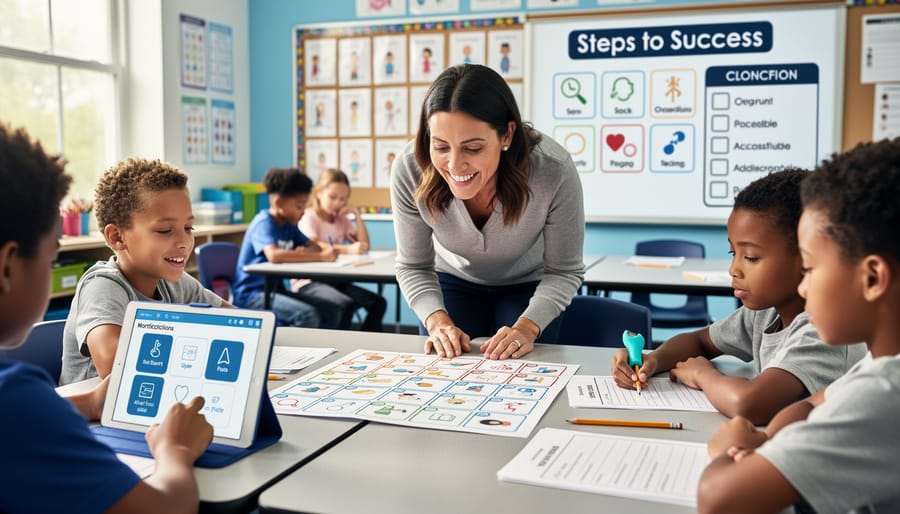
Sample PE Lesson Plan Ideas for 2026
Here are three complete lesson plan examples you can adapt for your adult learners in 2026.
Basic Ball Skills and Coordination
This 45-minute lesson focuses on building comfort with ball handling. Start with a 5-minute warm-up where learners walk in a circle, gently swinging their arms. For the main activity, have learners practice rolling a softball to a partner from 10 feet away, then gradually increase the distance. Add gentle underhand tosses when they’re ready. The goal is coordination and confidence, not speed or power. Cool down with gentle arm circles and shoulder rolls. This works well for learners with limited mobility because it allows sitting or standing positions.
Walking Track and Light Stretching
Perfect for mixed-ability groups, this 30-minute lesson combines cardiovascular movement with flexibility. After a brief explanation of proper walking posture, learners walk laps around a marked path or gymnasium at their own pace for 15 minutes. Play calm music if available. Follow with simple standing stretches: reaching for the ceiling, gentle side bends, and seated toe touches. Each stretch should be held for 10 seconds, and everyone moves at their own level. This plan builds stamina without pressure or competition.
Balance and Movement Games
This 40-minute lesson uses simple games to develop balance and spatial awareness. Warm up with marching in place and gentle knee lifts. Set up stations where learners practice: standing on one foot (holding a chair for support if needed), walking heel-to-toe along a taped line, and stepping over low obstacles like pool noodles. Rotate every 8 minutes. These activities help with everyday balance needs like navigating stairs or uneven sidewalks.
- Parachute play for upper body movement and group cooperation (all ability levels)
- Chair yoga focusing on seated stretches and breathing (excellent for limited mobility)
- Bean bag toss targeting hand-eye coordination and turn-taking skills
- Follow-the-leader walking patterns to practice directional movement
- Gentle dance movements to music from learners’ cultural backgrounds
Each of these lessons can be shortened or extended depending on your group’s energy level. Keep equipment simple, make participation optional for any activity that causes discomfort, and always celebrate effort over performance. Remember that many adult learners haven’t done structured physical activity in years, so building confidence matters more than perfect execution.
Verification: How to Know Your Lesson Plan Works
Checking for Participation and Engagement
Look for body language that tells the story of comfort and involvement. Adults who feel safe and engaged stand with open posture, make eye contact with you and other learners, and smile or laugh during activities. They stay with the group rather than drifting to the edges of the space.
Listen to the noise level in your class. A room full of active learners has conversation, questions, and even friendly competition. Silence during group activities often signals discomfort or confusion, not concentration.
Watch participation patterns. Are learners volunteering to demonstrate? Do they ask to try activities again? These actions show genuine interest. On the other hand, frequent trips to the water fountain or bathroom may indicate someone needs a break or feels overwhelmed.
Notice how quickly learners move between activities. Smooth transitions mean they understand what comes next and feel confident. Hesitation or asking for repeated instructions suggests you need to slow down or simplify your directions.
Track attendance over several weeks. Consistent return rates are your strongest signal that learners find value in your PE sessions.
Getting Simple Feedback
Gathering feedback from adult learners doesn’t require formal surveys or complicated forms. Start with casual conversations after each session, ask one or two direct questions like “How did that feel?” or “Was anything too hard today?” Many adults will share honestly when you keep it brief and conversational rather than academic.
A simple thumbs-up or thumbs-down works surprisingly well. At the end of class, show three signs, thumbs up for “felt good,” thumbs sideways for “okay,” thumbs down for “too difficult”, and have everyone respond together. This quick visual check gives you immediate data without putting anyone on the spot with words they might struggle to express.
For written simple feedback use picture-based response cards. Create sheets with three faces, smiling, neutral, frowning, and ask learners to circle how they felt about specific activities. Keep the vocabulary minimal: “This activity was…” followed by the faces. This method respects varying literacy levels while still collecting useful information.
Watch for non-verbal cues during activities. Smiles, laughter, and repeated voluntary participation tell you more than words sometimes can. If learners avoid certain activities or look uncomfortable, that’s feedback too. Note these patterns and adjust your plans accordingly.
Build trust by acting on what you hear. When someone mentions an activity was confusing, simplify it next time and mention you made the change based on their input. Adults return more honest feedback when they see it matters.
Common Questions About PE Lesson Plans for Adults
How do I handle adults who feel embarrassed about their fitness level?
Start with private conversations to understand their concerns, then choose non-competitive activities that focus on personal progress rather than comparison. Emphasize that everyone moves at their own pace, and celebrate small improvements to build confidence over time.
What if my learners have widely different physical abilities?
Offer multiple versions of each activity with clear options for different skill levels. For example, during a ball game, some learners might throw underhand while others practice overhand throws, and all versions count as full participation.
How long should a PE session be for adult elementary learners?
Aim for 30 to 45 minutes total, including warm-up and cool-down. This length prevents fatigue while giving enough time for meaningful practice, and you can always adjust based on your group’s energy and engagement.
Do I need specialized training to teach PE to adult learners?
No specialized certification is required, though basic first aid knowledge helps. Focus on clear communication, patience, and willingness to adapt activities, your understanding of adult learning principles matters more than advanced fitness expertise.
Beyond these common concerns, many educators wonder about managing attendance when learners feel self-conscious about their bodies or clothing. Address this by setting a relaxed dress code that emphasizes comfort over athletic wear. Remind learners that regular clothes and running shoes work fine, and no one needs special gym outfits.
Equipment costs worry some programs, especially those serving low-income communities. You can run excellent PE lessons with minimal gear. Household items like empty water bottles make good weights, towels work as resistance bands, and painter’s tape creates floor markers. Many Canadian recreation centres lend equipment to literacy programs at no charge, so reach out to local facilities about partnership options.
Another frequent question involves learners who miss classes. Unlike children, adults have jobs, family responsibilities, and transportation challenges that cause irregular attendance. Design your lessons so each session stands alone rather than building strictly on previous weeks. Include a brief recap at the start so returning learners can jump right in without feeling lost or behind.
Some educators ask whether they should track progress formally. Light documentation helps, but keep it simple. A basic checklist noting which activities each learner tried works better than complex fitness testing, which can trigger anxiety. Focus your records on participation and comfort level rather than performance metrics, and share progress privately to maintain dignity and motivation.
Creating effective PE lesson plans for adult learners doesn’t need to be complicated. Start with the basics: gather simple equipment, prioritize safety, set clear goals, and choose activities that build confidence. Your first plans will be straightforward, and that’s exactly how they should be. As you observe your learners and gather their feedback, you’ll discover what works best for your specific group.
Remember that every adult learner brings different experiences and abilities to your PE sessions. The modifications and options you build into your plans make participation possible for everyone. When learners feel safe, respected, and capable, they engage more fully in physical activities.
The planning process gets easier with practice. Use the step-by-step approach outlined in this guide, adapt sample lesson plans to fit your needs, and don’t hesitate to adjust activities mid-session when something isn’t working. Flexibility is your greatest asset as an educator.
Free Canadian resources through literacy organizations provide templates, activity ideas, and support networks to help you succeed. You’re not creating these lessons in isolation. Connect with other adult educators, share what works, and learn from their experiences.
Start small with one well-planned lesson. Build your confidence alongside your learners’ skills. The physical literacy you help adults develop opens doors to healthier, more active lives. Your effort to create accessible, inclusive PE instruction makes a genuine difference in their learning journey.